A toilet leaking at the base in Kingston is easy to miss at first. Water shows up as a damp ring on the floor. It appears after a flush. It dries, then it returns. Many homeowners blame the toilet itself. The cause often sits underneath it. The flange is the fitting that connects the toilet to the drain pipe and holds the toilet to the floor. When the flange wears out, cracks, or sits too low, the wax seal cannot do its job. Water escapes at the base with every flush. Leak Free Plumbing repairs toilets for homes and businesses in Kingston, Odessa, Bath, Inverary, and Amherstview. Call (613) 876-6688 if water keeps appearing around the base of your toilet.
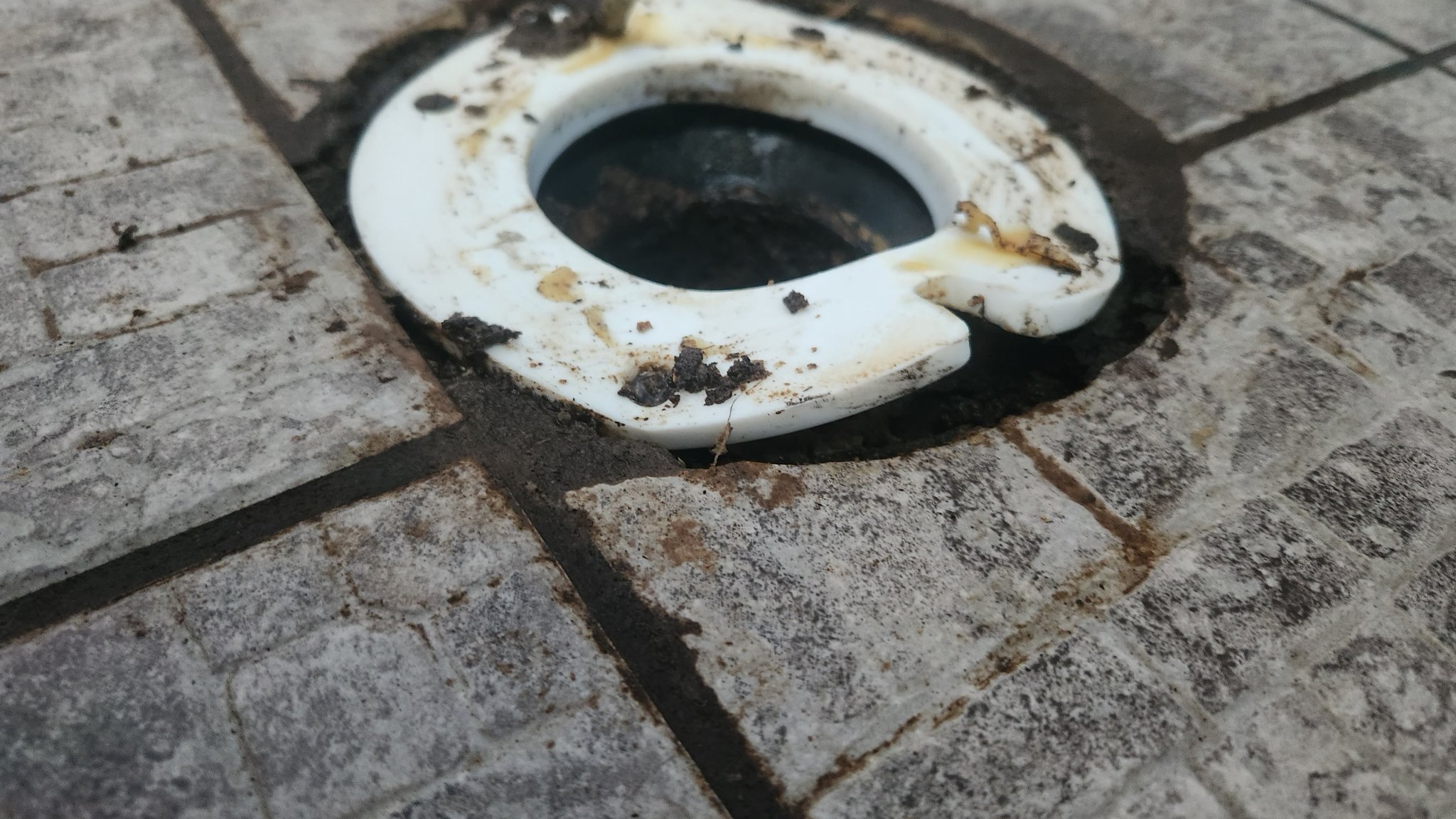
What a toilet flange does
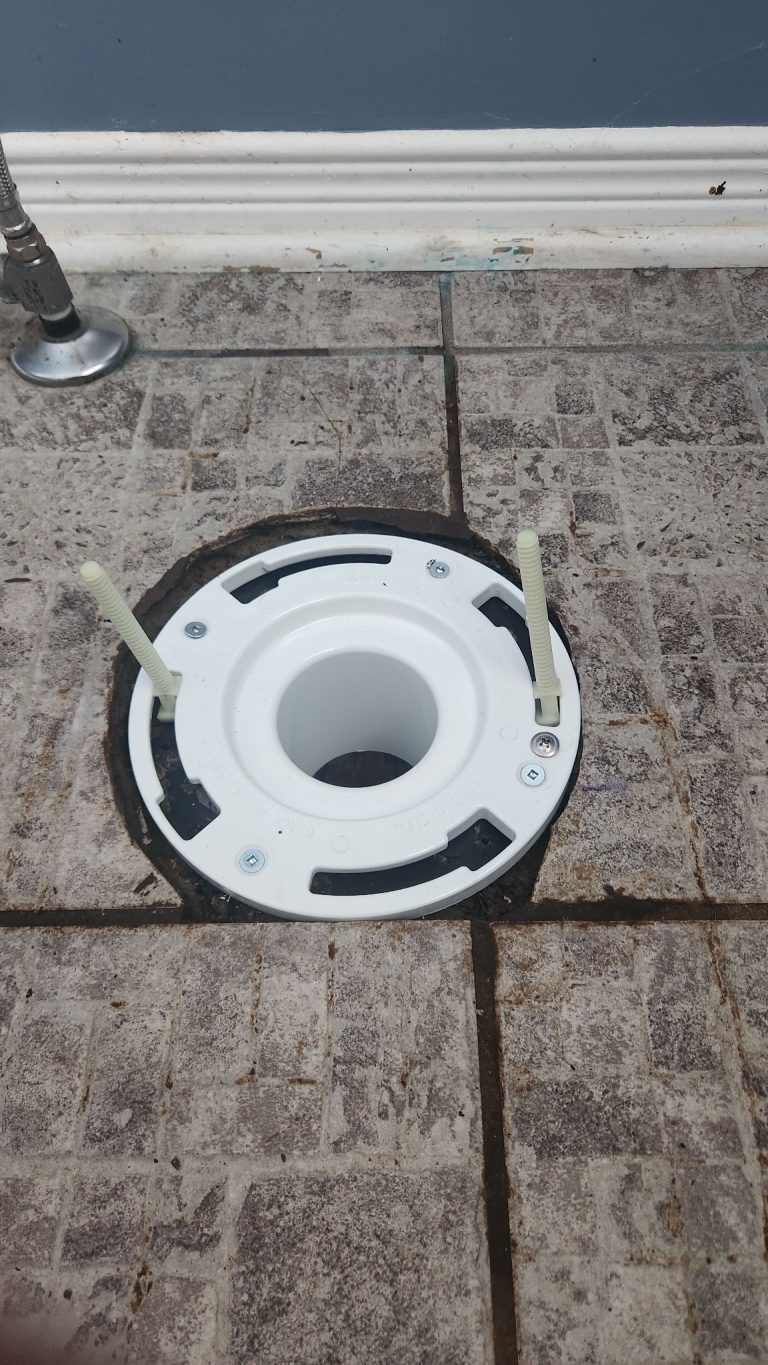
The flange is a ring that sits on top of the drain pipe at floor level. The toilet bolts to it. A wax ring or seal sits between the flange and the toilet outlet. Together, they keep flush water in the drain and keep sewer gas out of the room. The flange also keeps the toilet stable. A solid flange means the toilet does not rock. A damaged flange means movement, gaps, and leaks. The leak rarely looks dramatic. It starts as dampness at the base. Left alone, it soaks into the subfloor and damages the flooring around the toilet.
Signs the flange is the problem
Watch for water at the base after flushing. Watch for a toilet that rocks when you sit on it. Watch for a soft or spongy feeling in the floor near the toilet. Watch for a sewer smell in the bathroom that does not go away after cleaning. Watch for stains or swelling in the flooring around the base. One sign alone does not prove a flange failure. Two or more signs together point to the base connection. A loose toilet can also come from worn bolts or a failed wax seal on a flange that is still sound. A plumber checks the flange, the seal, and the bolts together before deciding on the repair.
Why flanges fail
Flanges fail for ordinary reasons. Plastic flanges crack with age and stress. Metal flanges corrode. A flange set too low after new flooring leaves a gap the seal cannot bridge. A rocking toilet works the bolts loose over time and breaks the seal. A past repair that reused a worn seal can fail again soon after. None of this means the toilet needs replacing. In many cases, the toilet itself is fine. The repair focuses on the connection underneath it.
What a flange repair involves
A flange repair starts with shutting off the water and draining the toilet. The plumber removes the toilet and inspects the flange, the seal, and the floor around the drain. A cracked or corroded flange gets repaired or replaced. A low flange gets raised to the correct height for the finished floor. A new seal goes in, the toilet goes back on, and the bolts get tightened evenly so the toilet sits level. The plumber then flushes several times and checks the base for leaks. The job also includes a check of the floor. Water from a base leak can soften a subfloor, and a soft floor needs attention before the toilet goes back into regular use. For a drain check that sometimes sits behind a toilet problem, see our Drain Cleaning service page.
What not to do with a base leak
Do not keep using the toilet and hope the leak stops. Each flush pushes more water into the floor. Do not seal around the base with caulk to hide the water. Caulk traps the leak underneath and hides the damage while it spreads. Do not overtighten the toilet bolts to stop rocking. Overtightening can crack the toilet base. Do not ignore a sewer smell. That smell means sewer gas is entering the room through a failed seal. Turn off the water to the toilet if the leak is steady, and call a plumber to inspect the base connection.
When to call a plumber
Call a plumber when water returns at the base after more than one flush. Call when the toilet rocks or the floor feels soft. Call when you see staining around the base or smell sewer gas in the bathroom. These are base connection problems, not cleaning problems. A prompt repair protects the floor and the subfloor. Leak Free Plumbing provides 24/7 emergency service and repairs for homes and businesses. Every job is priced individually for its own situation, with flat-fee pricing quoted per job and approved before work begins.
FAQ
Why is my toilet leaking at the base only after flushing?
Water at the base after flushing usually means the seal between the toilet and the drain has failed. The flange underneath may be cracked, corroded, or too low. Flush water escapes through the gap instead of staying in the drain.
Does a leaking toilet base always mean I need a new toilet?
No. The toilet itself is often fine. The flange, the seal, or the bolts are the usual cause. A plumber inspects the base connection first and replaces only what has failed.
Can I just recaulk around the base of the toilet?
No. Caulk around the base hides the leak without fixing it. Water keeps escaping underneath and damages the floor. The seal and flange need repair, not a cover-up.
How do I know if the flange or the wax seal failed?
You usually cannot tell without removing the toilet. A plumber removes the toilet, inspects the flange for cracks or corrosion, checks the height of the flange against the finished floor, and checks the seal. That inspection decides the repair.
Does Leak Free Plumbing repair toilet flanges in Kingston?
Yes. Leak Free Plumbing repairs toilets in Kingston, Odessa, Bath, Inverary, and Amherstview. Call (613) 876-6688 for a toilet leaking at the base, a rocking toilet, or a sewer smell in the bathroom.
Water at the base of a toilet does not fix itself. It damages the floor a little more with every flush. Get the base connection checked before a small leak turns into a floor repair. Call Leak Free Plumbing at (613) 876-6688, or Book Online. Leak Free Plumbing is a licensed master plumber service in Kingston, Ontario, with 15+ years of experience, serving homes and businesses in Kingston, Odessa, Bath, Inverary, and Amherstview.